Movent les imatges fixes
Explorant la tècnica del zoom burst per transmetre la sensació de moviment en fotografies estàtiques.
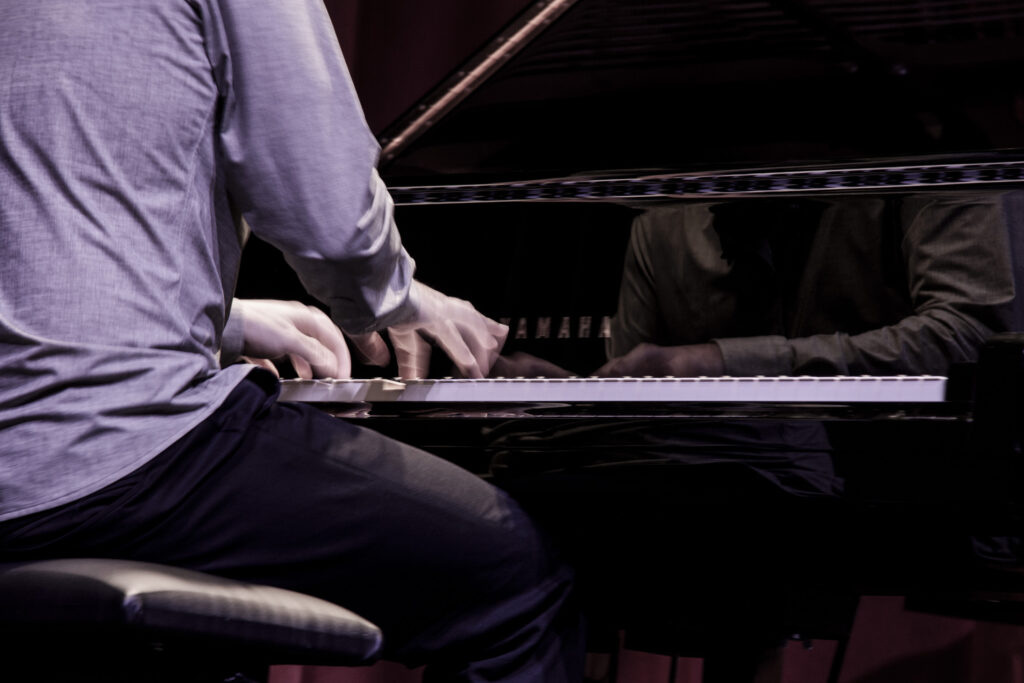
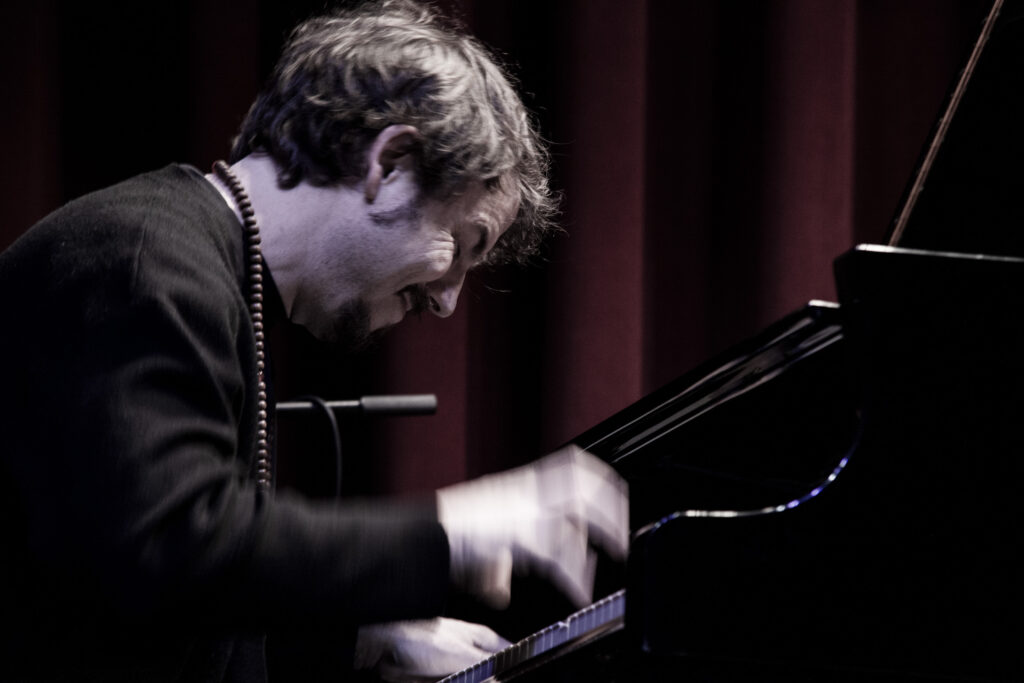
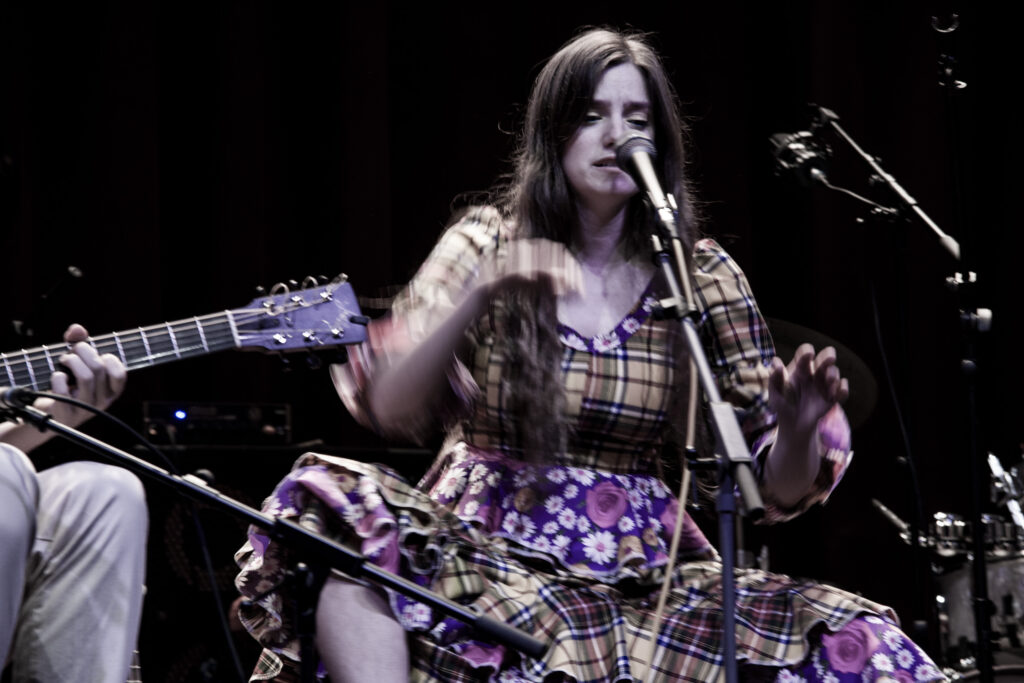
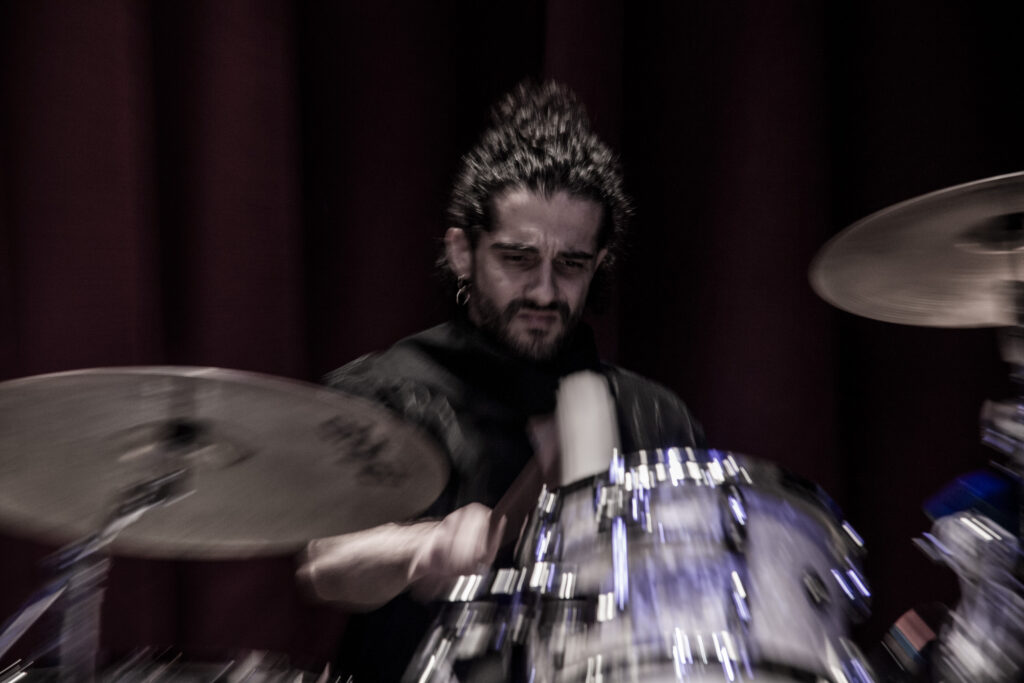
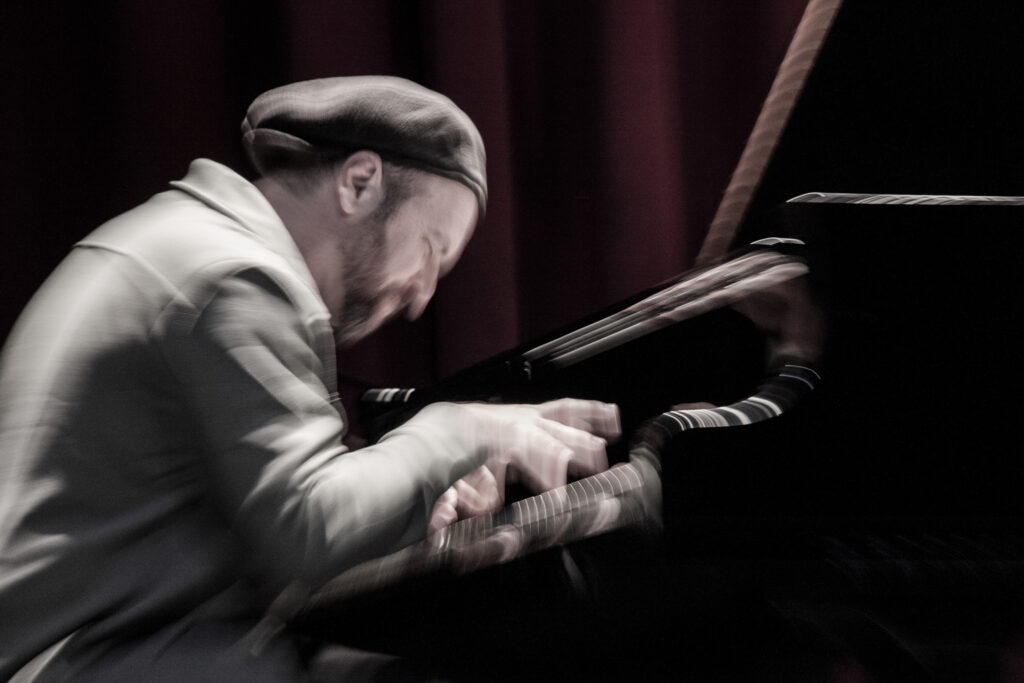
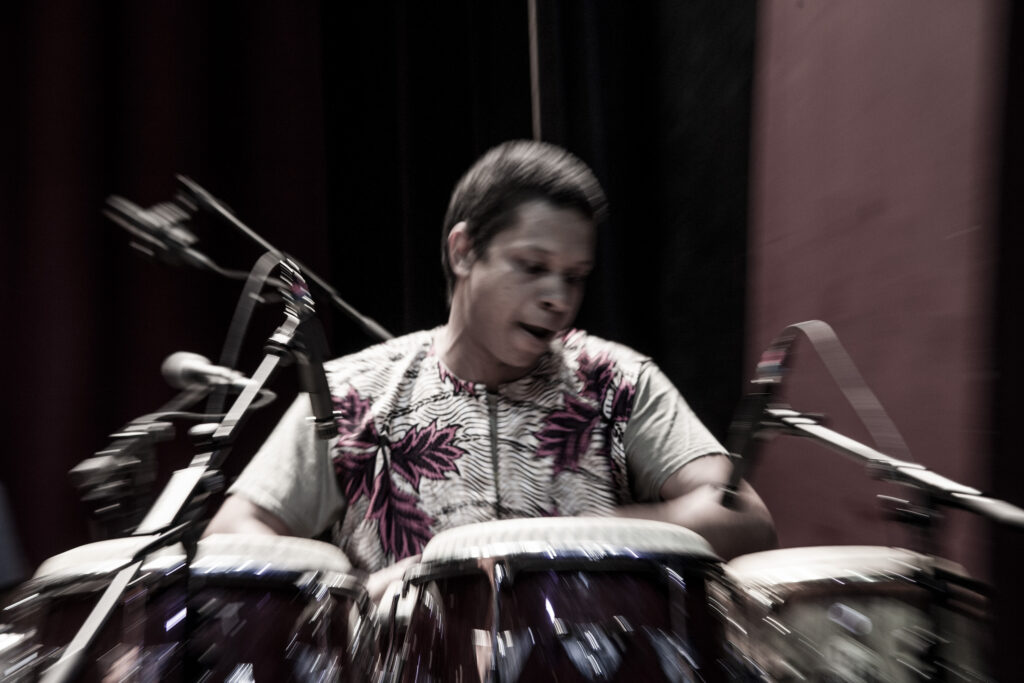
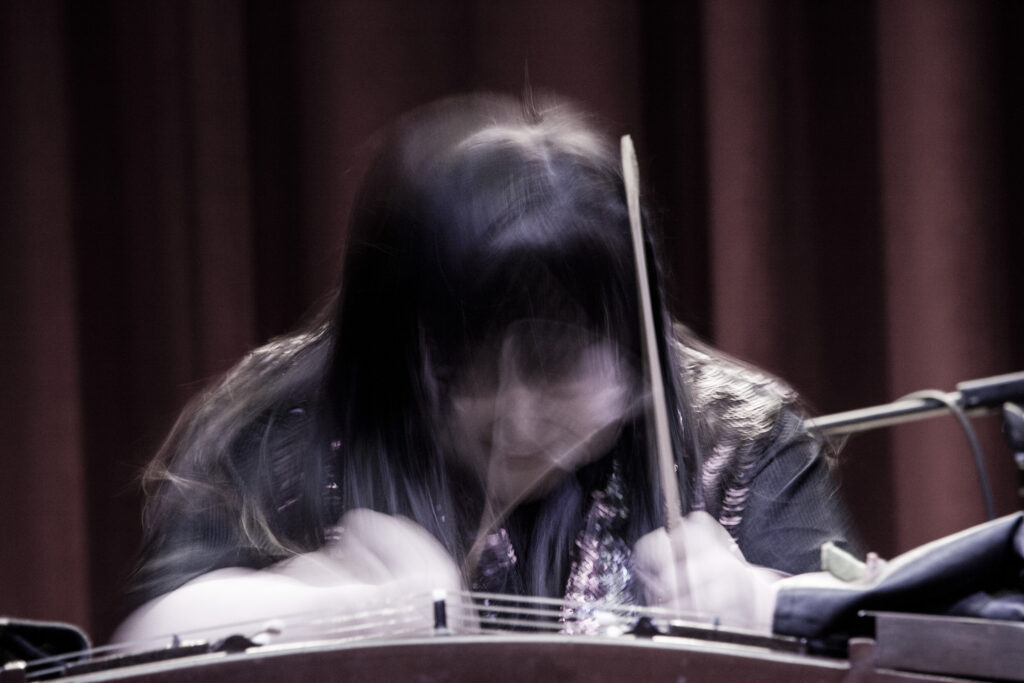
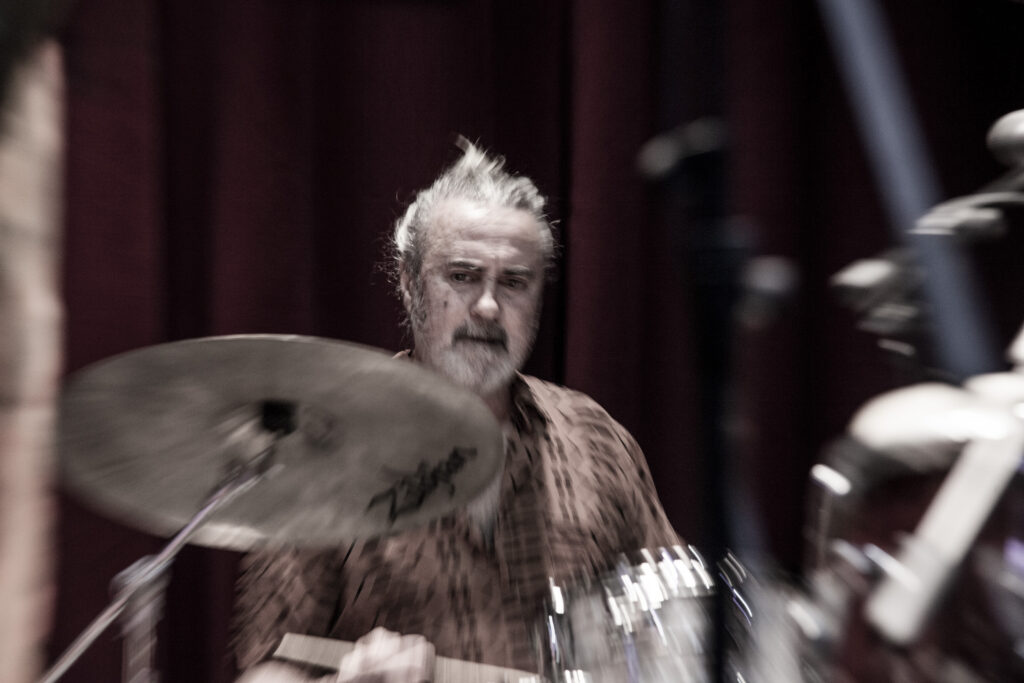
No soc gaire fan del vídeo, però a vegades penso que és interessant que una fotografia pugui transmetre la sensació de moviment que amagaria si, com és costum, la imatge quedés “clavada” a la perfecció.
Com que no m’agrada fer sempre el mateix i experimentar m’encanta, sovint m’obsessiono amb petites proves que, durant un concert, tinc temps d’intentar una vegada i una altra.
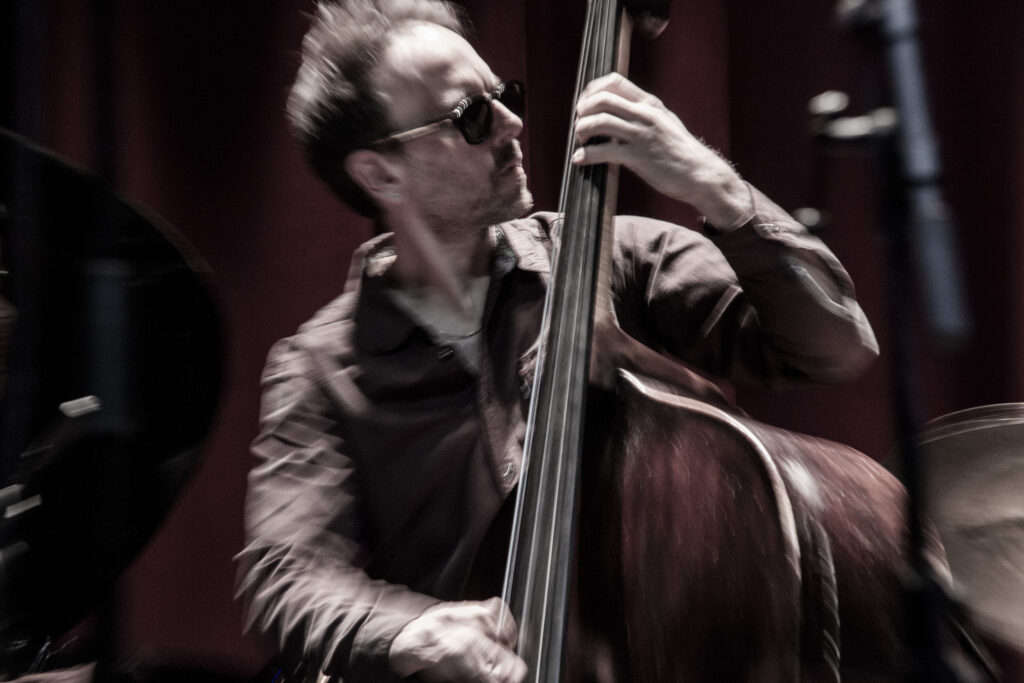
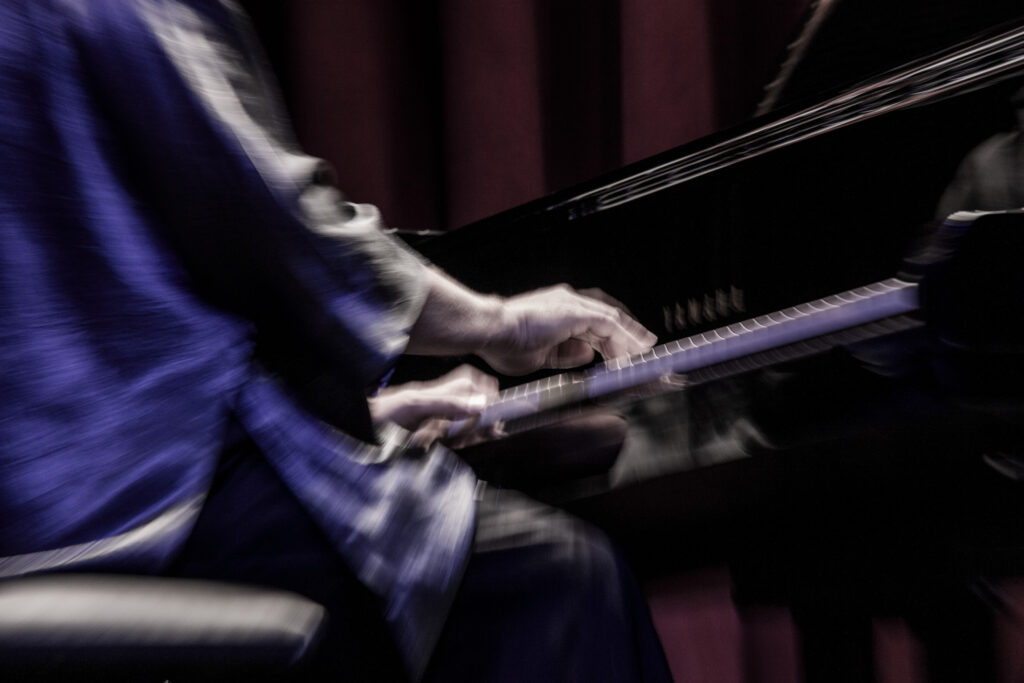
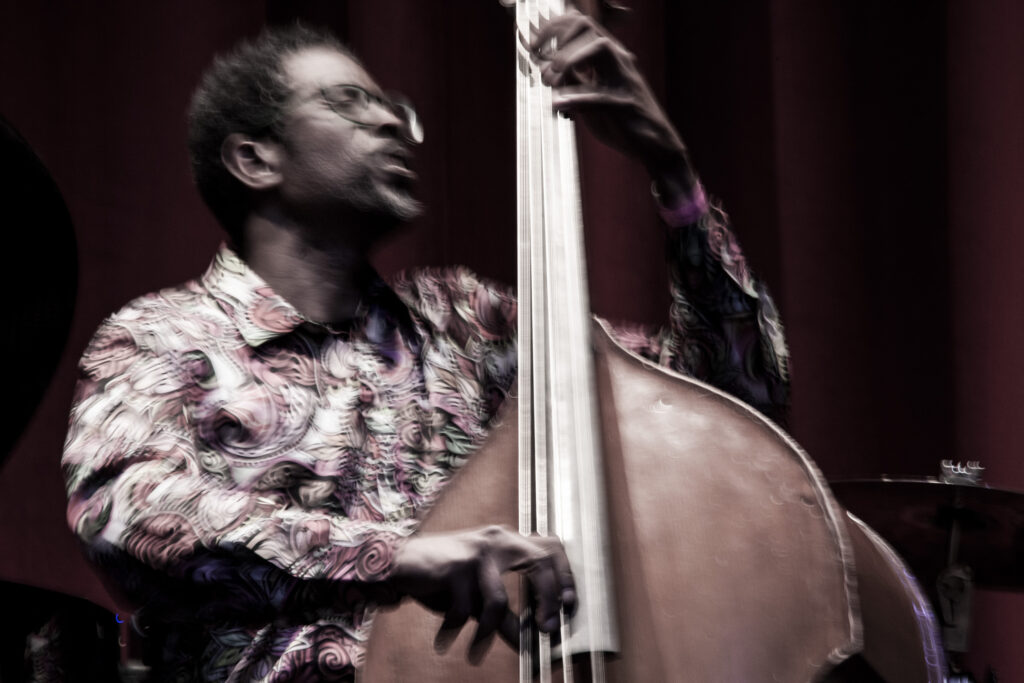
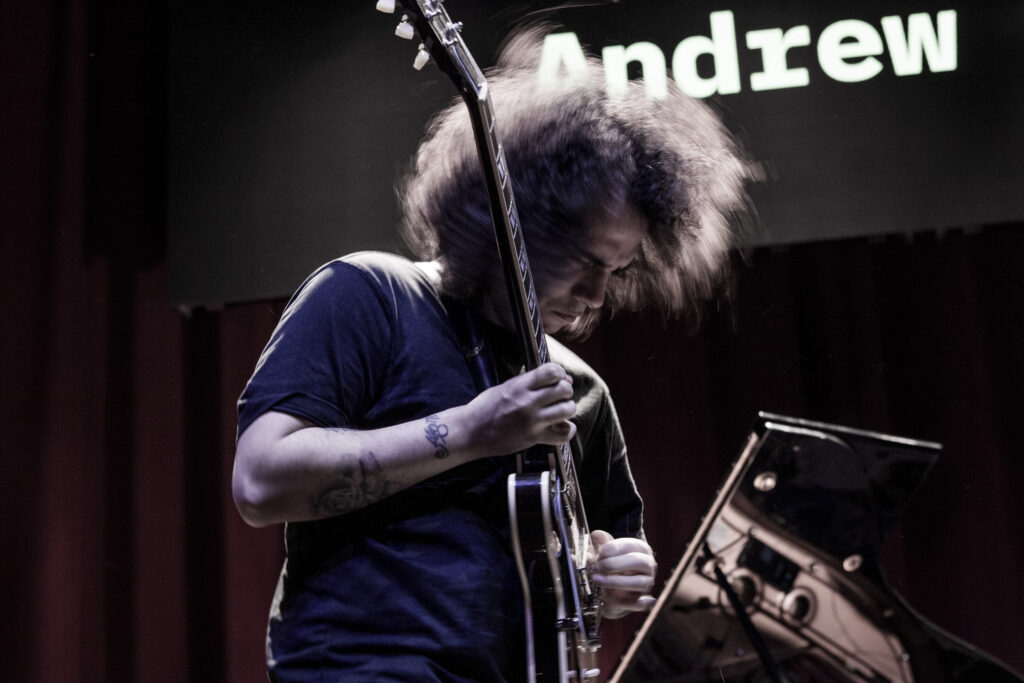
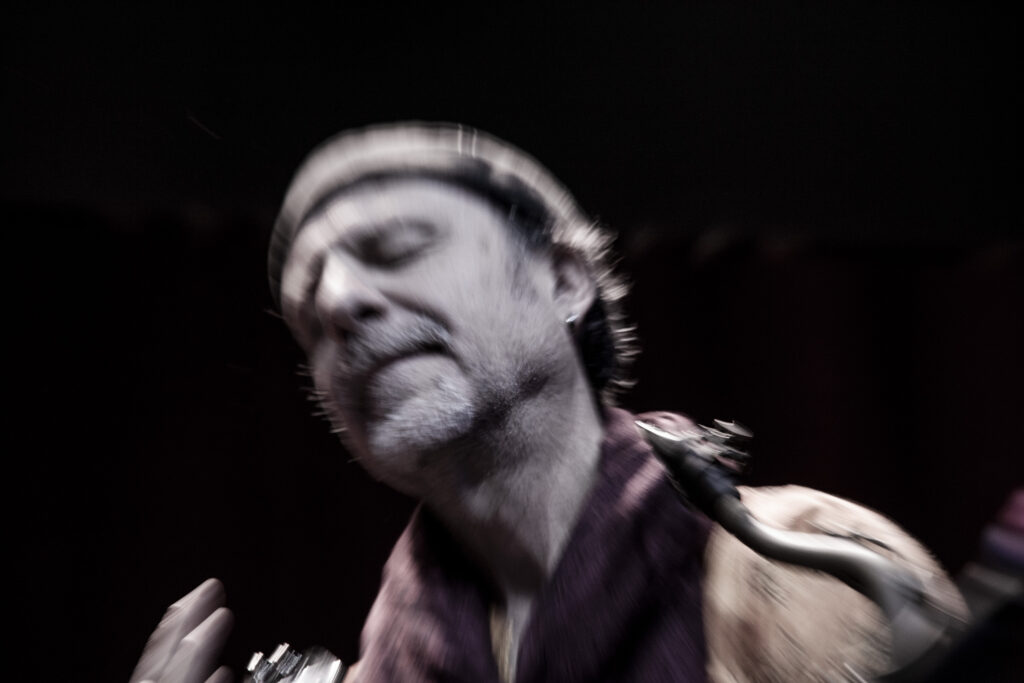
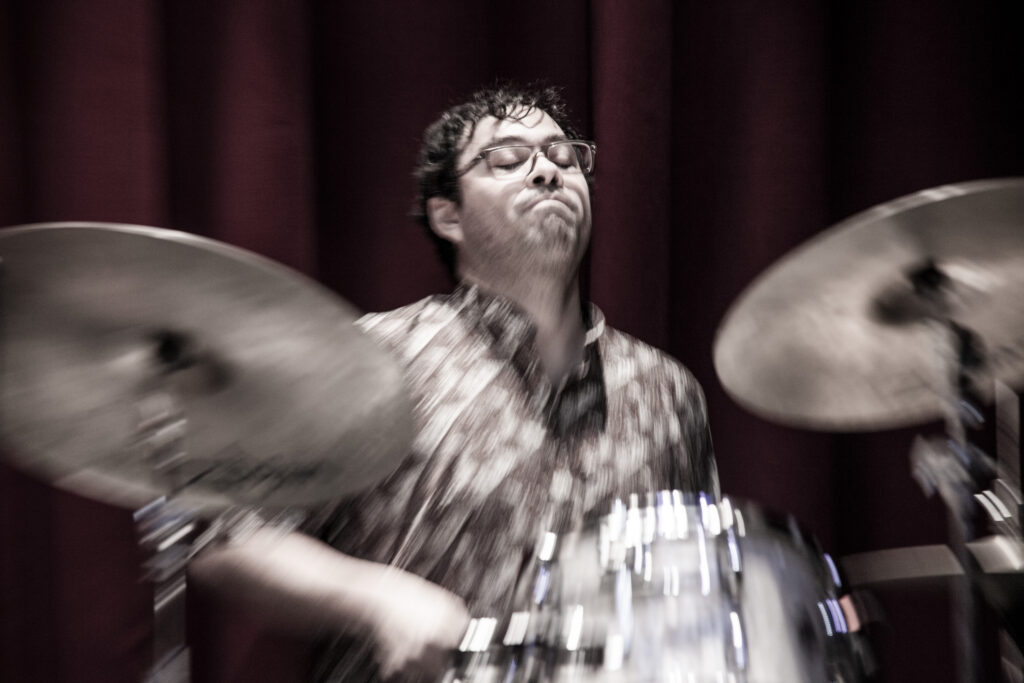
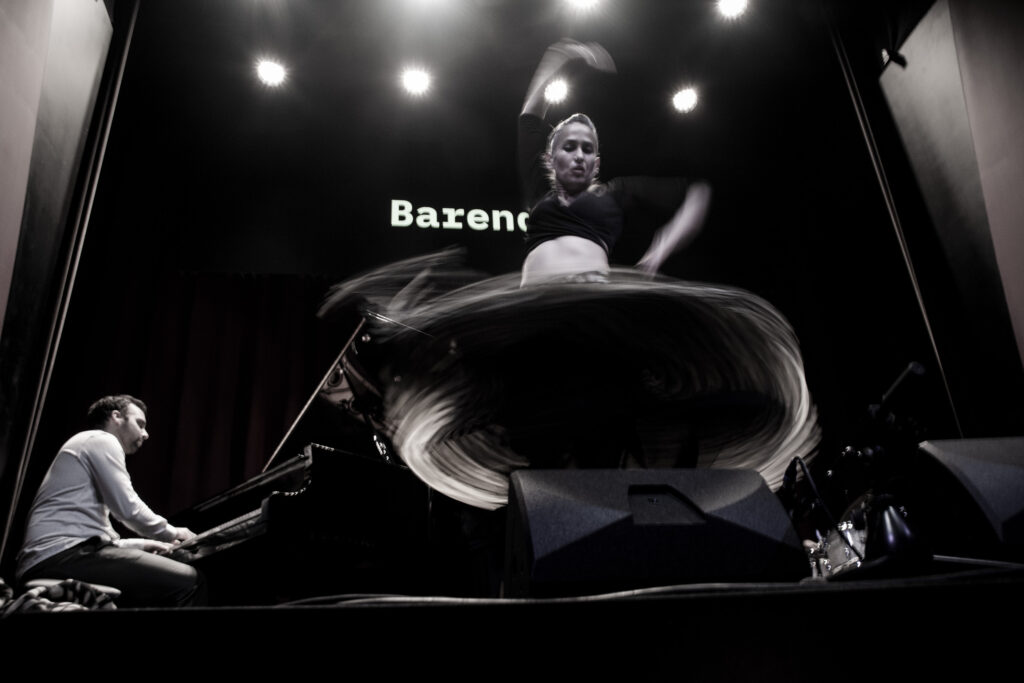
Aprofitant que vaig assistir a l’estupend Jazz I Am —del qual n’he publicat una crònica fotogràfica de cadascun dels tres dies— i que anava equipat amb una càmera digital i un potent (i pesat) 70-200 de Sigma, vaig provar de fer fotografies amb la tècnica anomenada zooming o zoom burst.
Com funciona
Consisteix a moure el zoom —allunyant-lo o apropant-lo— mentre es dispara la fotografia. Evidentment, cal treballar amb una velocitat d’obturació relativament lenta per poder captar aquest efecte d’expansió o contracció de la imatge.
És una tècnica molt de prova i error: cal disparar força fins que apareix alguna fotografia que realment funciona. Si hi ha una mica de sort, podem aconseguir que el centre de la imatge quedi relativament definit mentre que els contorns registren el moviment del zoom.
No és una tècnica per abusar-ne, però pot ser una bona manera de trencar la monotonia de les imatges hiperdefinides on absolutament tot està en focus. A vegades una mica de desordre visual també pot explicar millor el que estava passant.
Algunes de les imatges són zooming pur; d’altres simplement són preses a velocitats baixes per donar una sensació de moviment més sincopada.
Animeu-vos a provar-ho.